
Lock Yourself In Weekend: Hal Ashby
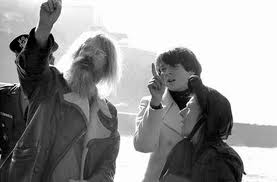
One of the most influential filmmakers of his generation was Hal Ashby. The midwestern raised former film editor lived a fast, wild and reckless life (married and divorced before 19), and made some classic movies that still hold-up today. Not only did he have one of the most impressive streaks in Hollywood history, but he directed actors in 10 different Oscar nominated performances (4 of whom won), 4 screenplays were nominated (and one won), 2 films were nominated for best picture, and he personally received three of his own nominations (winning one for best editor for “In the Heat of the Night”). Considered one of the directors to usher in “new Hollywood”, his editing style changed the profession and his signature film images are still mimicked to this day. Lock yourself in this weekend with Harold and Maude, The Last Detail, Shampoo, Bound for Glory, Coming Home, and Being There.

* * *
Harold and Maude
One of the most life-affirming movies ever made is the story of a romance between 20 year old Harold (But Cort) and 80 year old Maude (Ruth Gordon). While some have been turned off by the idea their age difference, the beauty of the film’s story is the way Harold’s love for life is awakened by Maude. Warm, fun, and truly taking in everything life has to offer, Maude is one of the great movie heroines of all time. And if you don’t choke up at the end, you might be made of stone. But the movie is also laugh out loud funny, especially death obsessed Harold’s relationship with his mother, and the Cat Stevens soundtrack (including opening and closing songs written for the movie, “Don’t Be Shy” and “If You Wanna Sing Out”) sets a perfect tone. Probably the movie closest tied to Hal Asby’s legacy as a director because of its influence on future filmmakers (most notably Wes Anderson) and connection many young people find to the movie’s sentiment, his sophomore film is an all time classic.
* * *
The Last Detail
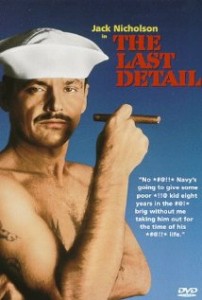
The detail in question are actually several details, the last being the hardest to execute. They are the last things Meadows (Randy Quaid) should and will do before spending the next eight years of his life in a jail for a petty crime. Treating their patrol duty assignment more like an extended bachelor party, Navy men Badass and Mule (Jack Nicholson and Otis Young) take as much pleasure living it up with Meadows, forgetting they are supposed to be military men on a mission. But all this fun comes at a price when the reality of their mission becomes clear. With a screenplay by Robert Towne considered one of the most profane of its time, star-making performances, and Hal Ashby’s light hand to make the comedy realistic and dramatic moments devastating, the movie is a classic guys movie and could be considered the first of Ashby’s two anti-military films (the second being Coming Home).
* * *
Shampoo
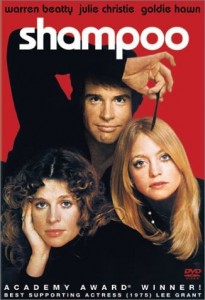
Another screenplay by Robert Towne, the comedy Shampoo had three of the most successful people in Hollywood working together (and sometimes fighting for control) with Towne, Ashby, and star/producer Warren Beatty. In the age of free love and sexual liberation, skilled hairdresser George channels his professional frustrations and fear of commitment through womanizing and infidelity. The classic story of a cad, set the day Nixon was elected president, this film features sexually aggressive women who lust after the man with magic hands who claims he’s gay to avoid suspicion from other men. Besides Beatty as George and Jack Warden, the movie also features Julie Christie, Goldie Hawn, Lee Grant at the peak of their sexiness and a young but sexually interested Carrie Fisher, whose future husband Paul Simon wrote and performed the score.
* * *
Bound for Glory
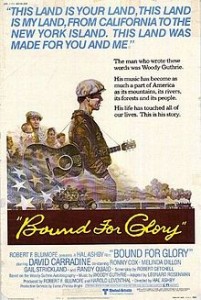
Who better than Hal Ashby to direct the biopic of true American original Woody Guthrie. Rather than tell a traditional cradle to the grave biopic, he made a biopic which is also a historical drama about those coming of age during the great depression. It is also as much the story of Guthrie as is it is told from the perspective of Guthrie (or more specifically, Guthrie’s iconic folksongs). From the recreation of the dust bowl to the earthy characters, the entire movie recalls the drawings and photographs of depression era farmers and films such as The Grapes of Wrath. It is both a celebration and plea for sympathy for those who lived such a hard-life and came out of it singing about the American Dream. And the performance by David Carradine in his highest profile role since his TV series Kung-Fu, as Guthrie is brilliant.
* * *
Coming Home
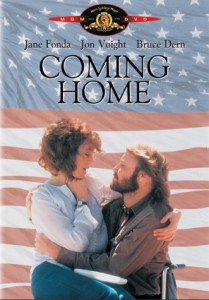
Ashby’s second film criticizing the way the military de-humanizes soldiers, Coming Home was one of the first Vietnam films Hollywood released. The movie is also a love triangle between a physically damaged veteran (Jon Voigt), a woman (Jane Fonda) and her mentally destroyed military husband (Bruce Dern). While the story at first appears to be a love story about a paralyzed war veteran and married woman, Dern and Robert Carradine’s characters are as important to the film as the two lead; representing those men lost to the invisible scars of post-traumatic stress disorder, mental illness, depression, and guilt. Although it seems Vogt is saved by the love of a good woman, finding his new purpose in life is to protest war, he comes to this realization only after witnessing Carradine’s devastating act of desperation. And there is a reason Ashby ends the movie with Dern’s character, watching him over Vogt’s monologue and a song by the recently deceased Tim Buckley.
* * *
Being There
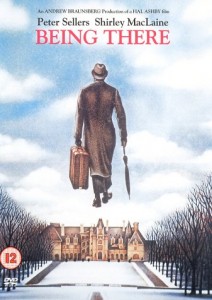
A brilliant and nasty satire about the political system, media, and America’s willingness to except ignorance for wisdom, Ashby turned Jerzy Kosinski’s satirical political novel into a showcase for the restrained brilliance of Peter Sellers (who received a deserved Oscar nomination, along with winner Melvyn Douglas). Chance, an illiterate gardener who spends his free time watching television, is excellent at his job and is happy to stick with it. And his ignorance about the world (or anything really) doesn’t make him a bad person. Its the public’s assumption that his simple tips on how to raise a garden are metaphors for how to run the country that the audience should find hysterically frustrating. And the fact that his short tips are eerily similar to the sound bites we do hear from politicians to this day, the movie should also make us angry. Probably Ashby’s most restrained film, far less cinematic flourishes than his other films, this is also his most bitting and pessimistic film about contemporary American life.
* * *