
How Comedy, Streaming, Gaming, and Live Content Started Overlapping Online
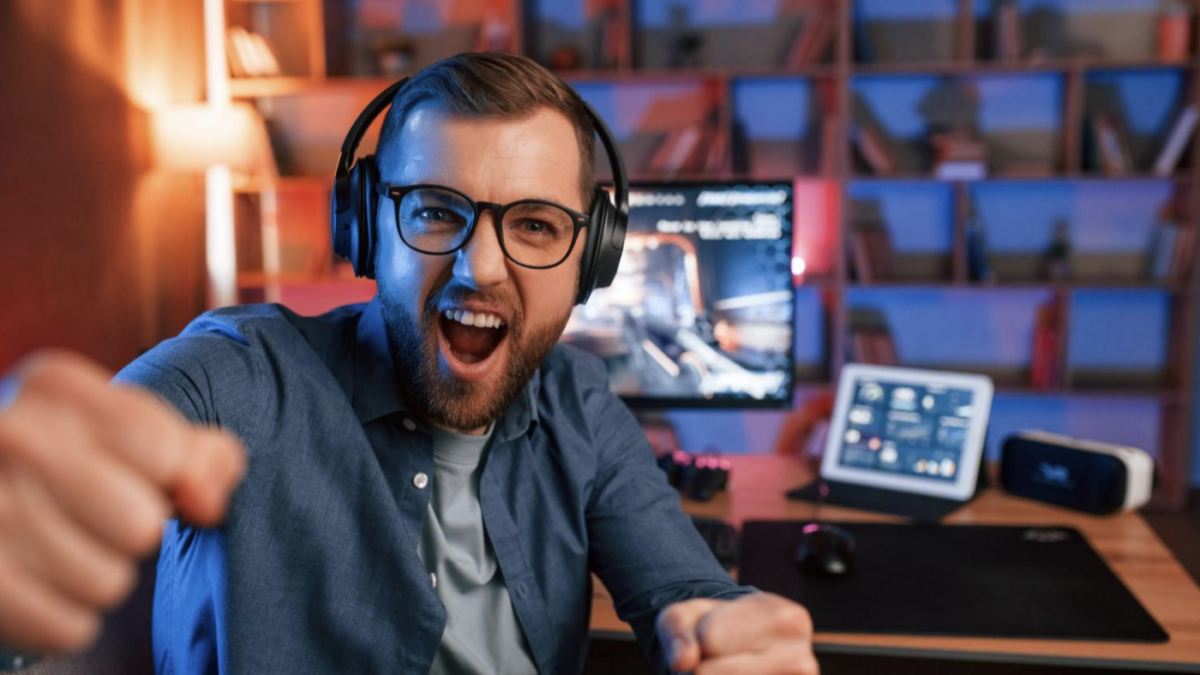
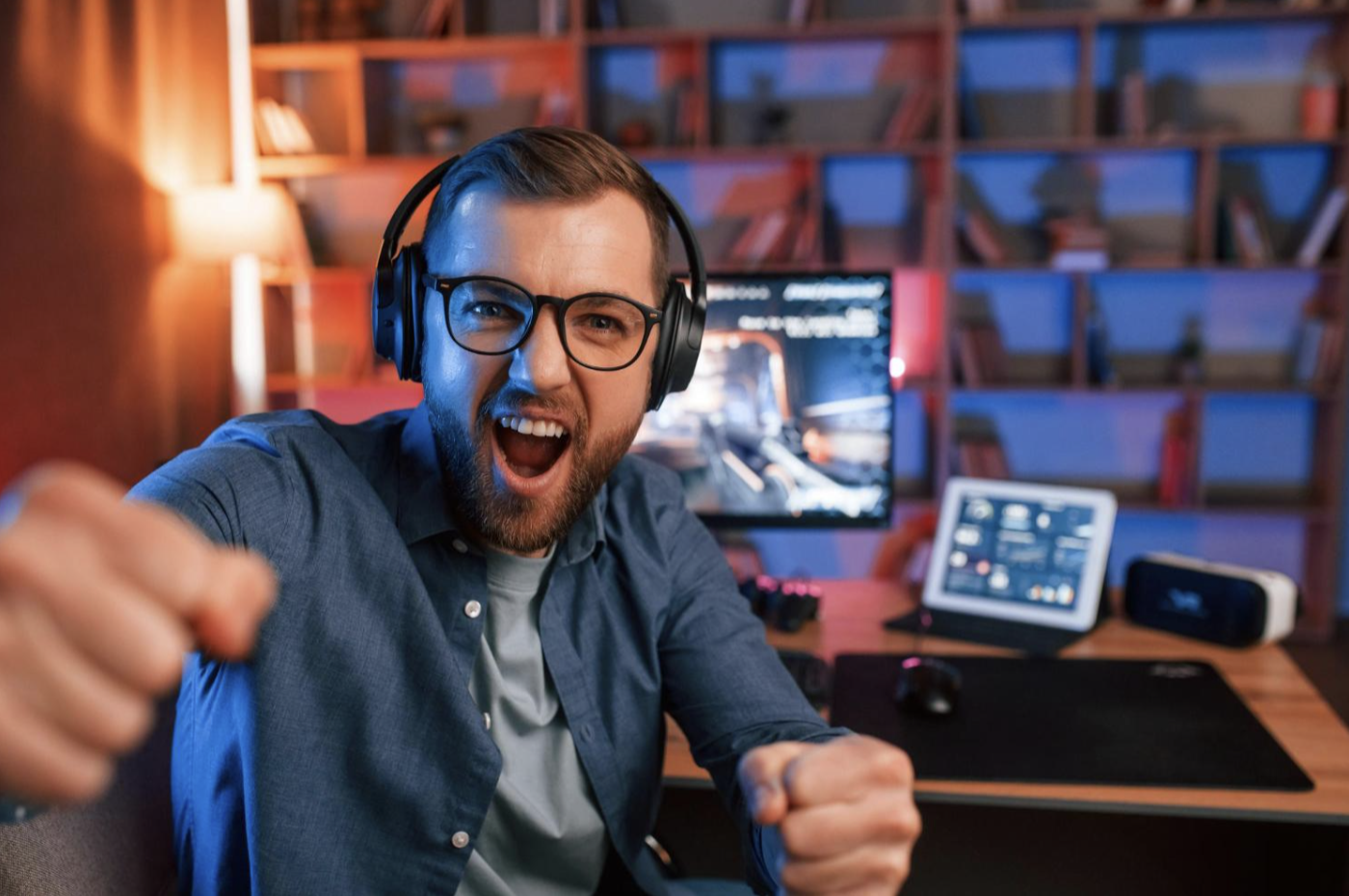
Image by standret on Magnific
Entertainment habits have changed dramatically over the past decade. What were once separate forms of media consumption, comedy specials, gaming sessions, livestreams, podcasts, sports broadcasts, and online communities, increasingly overlap within the same digital environments.
Modern audiences rarely focus on only one form of entertainment at a time. Many users now move fluidly between streaming clips, live gaming content, social media interaction, podcasts, and mobile entertainment throughout the day. Smartphones and faster internet infrastructure made this constant accessibility possible, while streaming culture helped normalize entertainment built around immediacy and continuous engagement.
As a result, online entertainment increasingly feels less like isolated activities and more like interconnected digital ecosystems shaped by convenience and interaction.
Streaming Culture Changed Audience Expectations
The rise of livestreaming platforms heavily influenced how people engage with entertainment more broadly. Audiences increasingly prefer experiences that feel active, responsive, and continuously updated rather than passive or heavily delayed.
This shift extends across comedy content, gaming communities, sports coverage, creator platforms, and live online entertainment environments. Real-time chat systems, instant reactions, audience participation, and livestream-style interfaces all contribute to stronger engagement across digital platforms.
Many entertainment businesses adapted quickly to these changing expectations by creating more interactive environments designed around mobile accessibility and continuous participation. Fast-paced content delivery, live notifications, and real-time interaction now shape much of modern entertainment culture.
The growing popularity of livestream comedy clips, reaction videos, creator collaborations, and live gaming streams reflects how audiences increasingly value entertainment that feels spontaneous and socially connected.
Gaming Platforms Became Part of Mainstream Entertainment Culture
Gaming itself also evolved significantly alongside these broader digital trends. What was once considered a niche hobby increasingly became integrated into mainstream entertainment culture through streaming platforms, creator communities, esports events, and interactive social spaces.
Today, gaming environments frequently overlap with comedy, livestreaming, influencer culture, and casual online interaction. Many users no longer separate gaming from the rest of their entertainment routines. Instead, gaming platforms often function as social environments where people watch content, interact with creators, communicate with friends, and engage with multiple forms of entertainment simultaneously.
This shift also influenced online casino and betting platforms that adapted to streaming-era audiences through live dealer systems, real-time gameplay, responsive mobile interfaces, and faster interaction models. Entertainment-focused environments such as betting on Mr Q alongside live roulette tables, blackjack streams, instant-play games, and mobile-friendly access increasingly reflect broader digital trends centered around accessibility and continuous engagement.
Rather than existing separately from mainstream entertainment culture, many gaming environments now operate within the same broader ecosystem as streaming media, creator content, and social interaction.
Comedy Content Adapted to Faster Digital Consumption
Comedy culture changed significantly as online platforms reshaped audience attention spans and viewing habits. Short-form clips, livestream appearances, reaction content, podcasts, and social media snippets increasingly became central parts of modern comedy distribution.
Comedians and entertainment creators now often rely on multiple digital channels simultaneously rather than traditional media formats alone. A stand-up clip might circulate across livestreams, social media platforms, podcasts, gaming streams, and meme pages within hours.
This faster content cycle changed how audiences discover and engage with comedy itself. Many viewers now consume humor in smaller but more frequent sessions integrated into broader online routines alongside gaming, streaming, and mobile entertainment.
At the same time, live interaction became increasingly valuable across entertainment formats. Audiences often prefer creators and platforms that encourage participation and feel more directly connected to viewers in real time.
Mobile Technology Accelerated Entertainment Overlap
The rapid expansion of smartphone usage played a major role in blending entertainment categories together. Consumers increasingly access entertainment throughout the day in shorter sessions rather than planning activities around fixed schedules or dedicated devices.
Streaming content, gaming apps, social media feeds, sports highlights, comedy clips, and livestreams now all compete within the same mobile ecosystems for user attention. This environment naturally encouraged platforms to become faster, more interactive, and easier to access.
Entertainment companies increasingly optimize around mobile-first behavior by simplifying interfaces, improving loading speeds, and prioritizing responsive design. Convenience now influences engagement nearly as much as the content itself.
Because audiences move quickly between different entertainment formats, businesses capable of maintaining smooth and immediate experiences often perform better in highly competitive digital markets.
Real-Time Interaction Continues Expanding Across Entertainment
Modern entertainment increasingly revolves around immediacy. Audiences often expect content to feel live, reactive, and continuously active rather than static or disconnected.
This trend can be seen across livestream comedy events, gaming broadcasts, sports commentary, creator communities, and interactive entertainment platforms. Real-time participation systems help create stronger engagement by making users feel directly involved rather than simply observing content passively.
Research and reporting published by The Verge continue highlighting how mobile technology, streaming infrastructure, and interactive digital culture are reshaping online entertainment habits across multiple industries.
Improvements in internet infrastructure and cloud-based systems also made these interactive environments significantly more accessible across smartphones and tablets over recent years.
Entertainment Culture Will Likely Continue Blending Together
The future of online entertainment will likely involve even greater overlap between comedy, gaming, livestreaming, creator culture, and interactive digital experiences. Artificial intelligence, cloud infrastructure, and faster mobile connectivity are expected to continue accelerating these trends.
However, the main drivers behind this shift remain relatively straightforward. Consumers increasingly prefer entertainment that feels flexible, social, and easy to access from virtually anywhere.
As digital habits continue evolving, entertainment formats that once existed separately will likely become even more interconnected through streaming culture, mobile accessibility, and real-time interaction.
