Kate Willett’s Top Ten Ways Comedians Have Spent the Pandemic
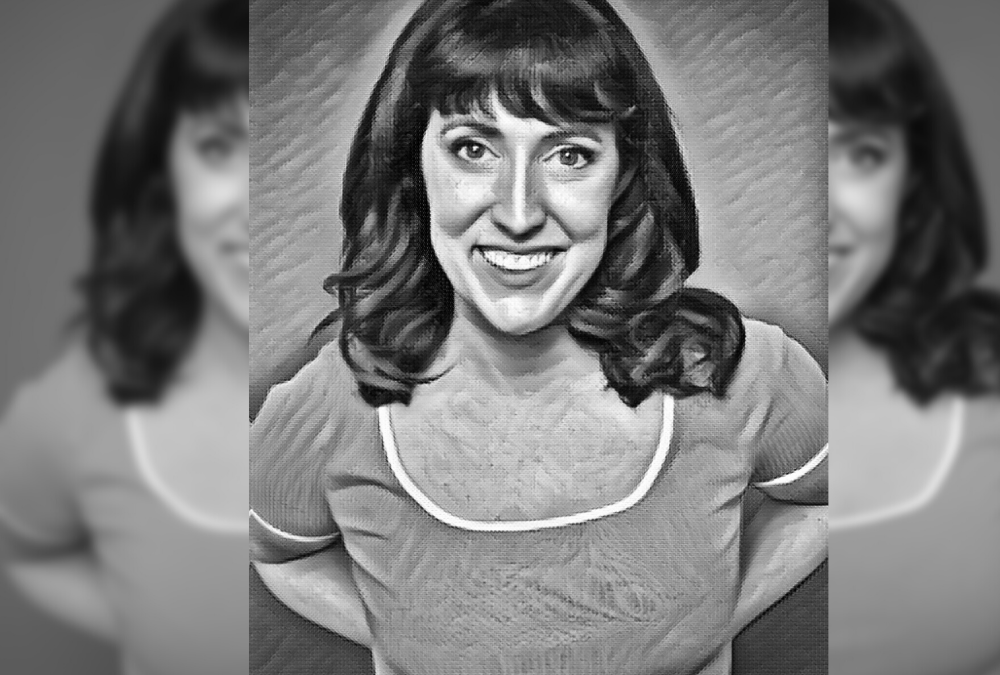

Kate Willett is a comedian, actress, and writer whose raunchy feminist storytelling is both smart and relatable. She made her network debut on The Late Show with Stephen Colbert. Her 15 minute special is available on Netflix’s “Comedy Lineup” . and she’s the cohost of the political comedy podcast Reply Guys. You’ve also seen her as a correspondent for the JIM JEFFERIES SHOW at Politicon and a featured comic on Viceland’s Flophouse.. Her appearance on Comedy Central’s This is Not Happening was unforgettable, and she’s toured with Margaret Cho nationally and internationally. Kate’s newest project is an original Audible release, Dirtbag Anthology, which features insightful interviews with brilliant comics and experts like W. Kamau Bell, Margaret Cho, Pastor Nadia Bolz-Weber, and Kate’s dad and close friends, this exploration of modern masculinity delves into how to be a good guy and how to be in love with one…and when that isn’t quite enough.
The anthology was inspired after Kate- married to a woman- was dumped, and found herself suddenly single, and mystifyingly…mostly attracted to dudes. Like any good comic, she was inspired to investigate, and thus ensued her hilarious, sometimes high-stakes personal research into the world of men, culminating in a beautiful, difficult romance. Featuring
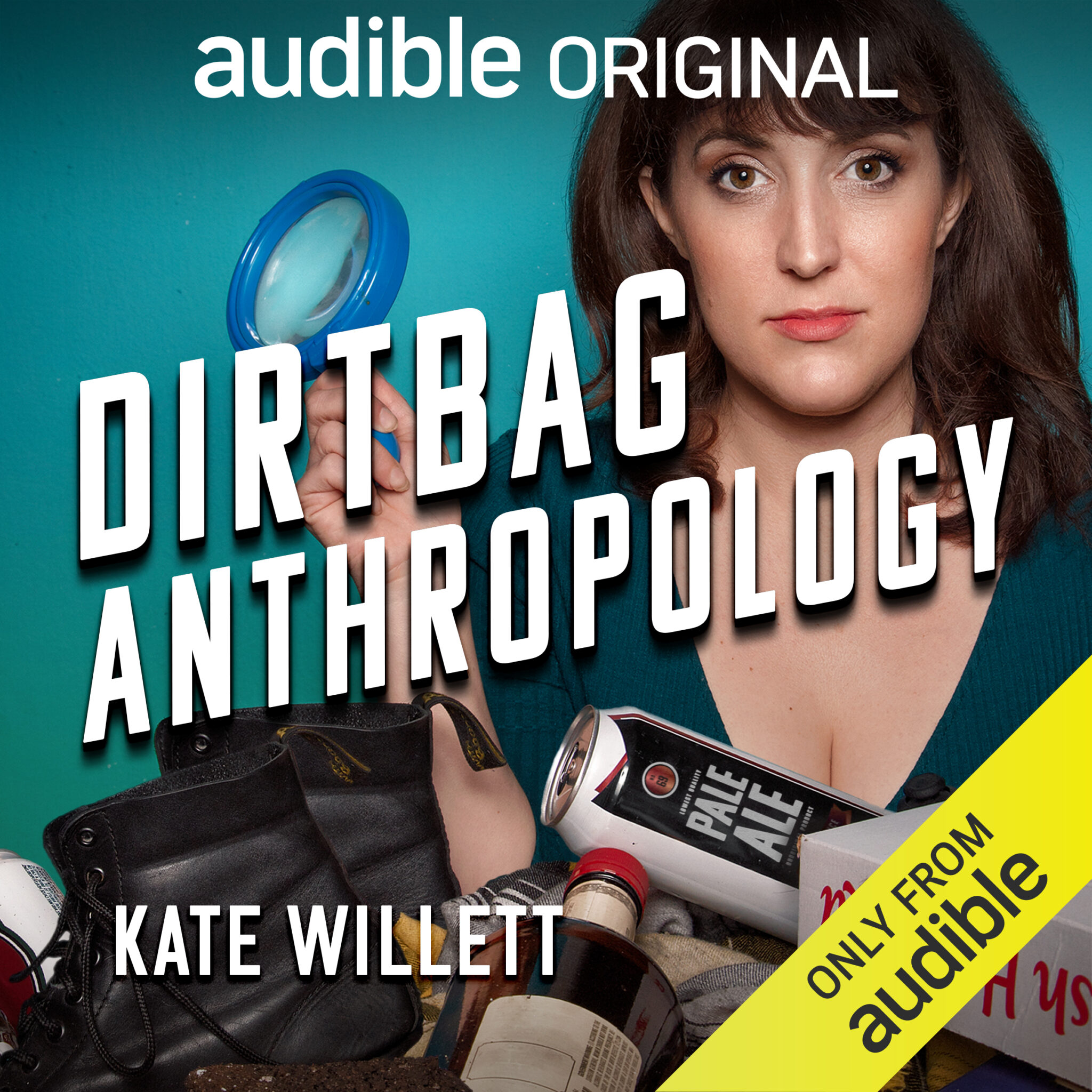
Kate Willett’s new Audible Original, Dirtbag Anthropology, is now available at audible.com/dirtbag.
The past year has been rough for stand up-comedians. Audiences have questioned the wisdom of packing 50 sweaty people into a small basement. Especially now that Covid exists! Many comics have had to wash their hands for the first time. Nevertheless, we persisted. Here are some ways comedians have filled their pandemic time.
- Zoom stand up shows. Zoom shows started with promise—performing at your desk, in your pajamas, with at least a few audience members unmuted to laugh. But starting a joke with “so I fucked this guy the other day,” in a Zoom call feels like you’re going to get in trouble with corporate HR, in a room full of coworkers who wonder if the fact that you fucked that guy means you aren’t social distancing.
2.TikTok. Despite the stereotype that Tik Tok is for teens, some comics in their 20’s, 30’s, and 40’s spent the pandemic achieving fame and fortune on this app. Forcing those of us not on Tik Tok to utter the most horrible sentence known to humankind: “I have to get my life together and be on social media more.”
- Doom-scrolling. At comedy shows circa 2013 or so, clinical depression was IN. Marc Maronesque comics talked openly about their serotonin struggles while wearing cool flannel shirts, proving depression could be more than just an obstacle to happiness. It was also a path to authenticity, relatability, and maybe even get laid. However, after spending a full pandemic year in isolation reading tragic and terrible news, the entire world population is depressed. Utter hopelessness has lost originality. Not getting out of bed for days is now hack.
- Getting cancelled. Mostly applies to sex-offender comedians.
- Learning to feed ourselves. In the before days, being a stand up meant grabbing a slice in between sets, or subsisting on on beer calories. I even know a real human comedian who got scurvy. That’s right, like Smee from Peter Pan or something. Times have changed. We baked bread alongside the rest of you basic bitches. We made the Alison Roman stew in the Chrissy Teigan pan, just to have a little drama in our lives. We consumed a quantity of vegetables previously known only to people who came from a caring home.
- Getting a pet. A lot of people bonded with their partners and families during the pandemic. But intimacy-disordered comedians needed companionship too. On the cat rescue application “income” question, we wrote “sure.” We brought these tiny monsters home, hoping our roommates will be understanding about feeding them when we go back on the road next year. All worth it to give another living being the love we can’t give ourselves.
- Political awakening. Many comedians learned about housing injustice or police abolition. Some helped flip the Senate blue. At least one comedian ended up at the January 6 insurrection, the wrong type of political awakening.
- Podcasting. To be fair, a lot of comedians were podcasting before the pandemic. It’s just something that happens to you if you live in Brooklyn. In fact, I’ve never had sex with someone who didn’t have a podcast, I’m not sure it’s even legal. I hope so, because I don’t want to end up on the sex offender comedian registry.
- Considering a career change. A lot of us wondered—is it a good idea to make comedy our careers? Many of us concluded, no. It has never been a good idea. If financial instability, family disapproval, and various substance abuse issues haven’t stopped us, what’s a little global pandemic?
- Writing an audiobook about masculinity. By far the best thing to do during a pandemic was create a half-podcast, half-memoir, half-documentary audio book about men and masculinity. Especially one about the time that Kate Willett was married to a woman and thought she’d never have to deal with men again, but instead ended up conducting a multi-year high stakes personal research project on them. We wrote about our sex lives with Burning Man guys, the time we spent growing up as an evangelical Christian bisexual, and the years we lived in a circus warehouse, dating polyamorous clowns. Some even conducted insightful interviews with comics and experts like W. Kamau Bell, Margaret Cho, Pastor Nadia Bolz-Weber, and—would you believe it!—Kate’s own father and close friends. If you want to see an example of such a book, you can check one out here on Audible Plus, free with any Audible subscription. The only thing better than writing the kind of audiobook described above would surely be listening to one.